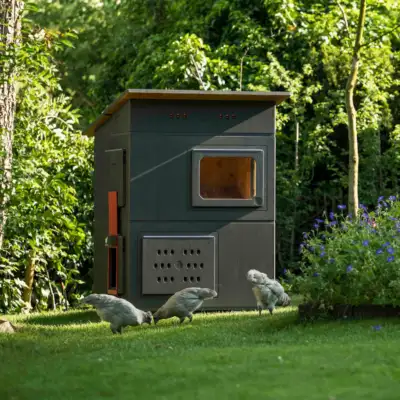
5 questions you should ask yourself before getting chickens.
5 QUESTIONS YOU SHOULD ASK YOURSELF BEFORE GETTING CHICKENS.
So that it will be a pleasure.
The start of a chicken keeping journey should be thought out and well prepared for. Before you decide to take the plunge, you should definitely ask yourself the following questions:
Are chickens the really right pets for me and my family as a whole?
Do I have a suitable garden?
Do I have the money for keeping chickens?
How should the chickens be grouped and how should the group develop?
Does the regional legal framework allow for this in my home?
The right pet for you
If you want to keep pets, you simply can’t go wrong with chickens.
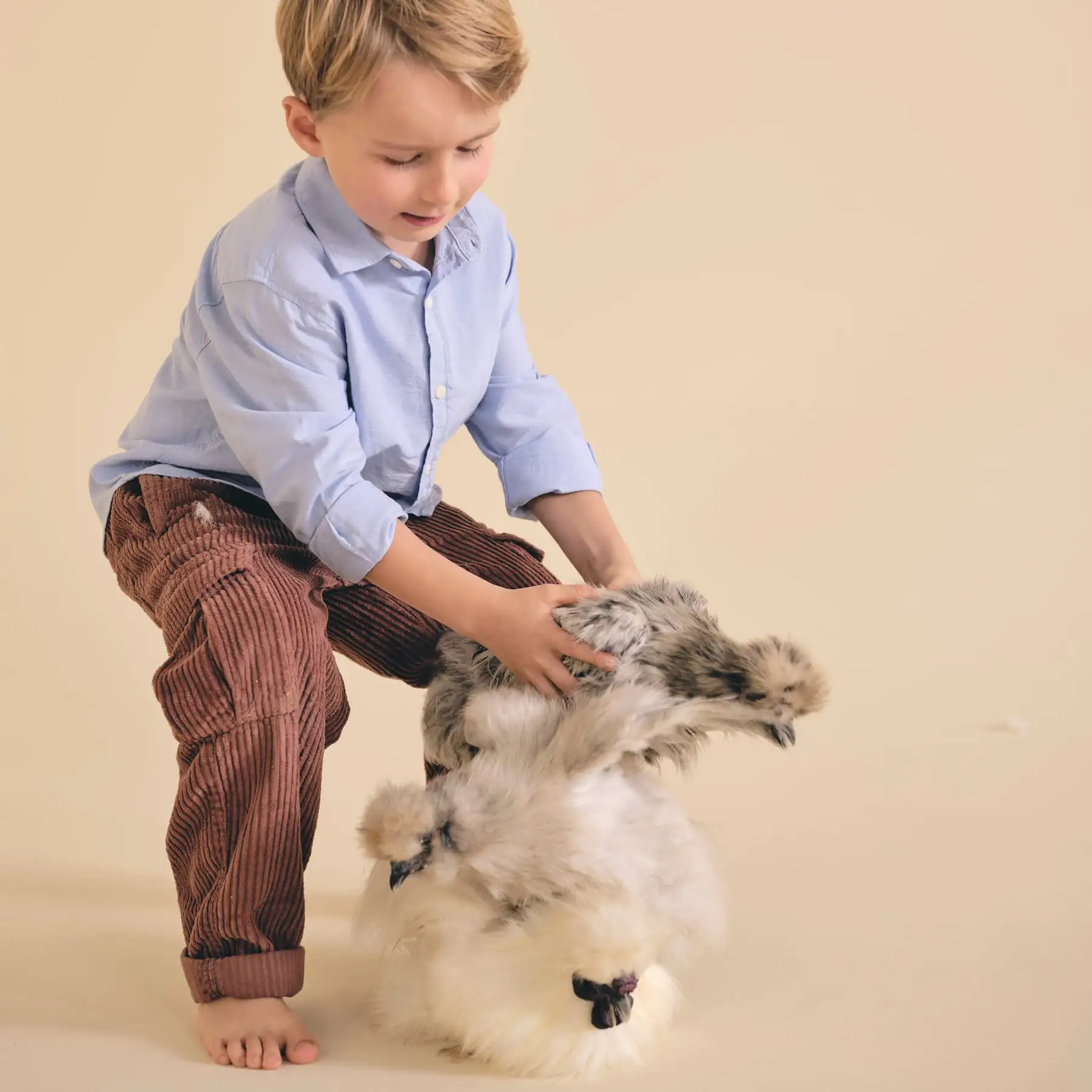
Like any other pet, chickens will require a certain amount of time on a day-to-day basis. However, this is certainly no greater than with other pets such as cats, rabbits or hamsters. In fact, compared to dogs, you can get by with much less time, since there’s no need to walk a chicken.
You should also be aware that a dog might not stop chasing the chickens – especially if it has been part of your family for a long time and is not used to chickens/other animals in the home.
Cats normally only pose a danger to very small chickens – i.e. chicks/young ones. With adult chickens there are normally no problems at all.
> my EXPERIENCE: “Cats have never been a danger even for our very small bantams (a hen which weighs only a few hundred grams). However, it would not be possible to let my parents’ dog into our garden unsupervised – he simply hasn’t had contact with chickens as pets.”
To prevent chicken keeping from becoming a stress factor in your life, you simply have to prepare everything well.
The right garden
The first question to ask is whether you have enough space for chickens in your garden.
Unfortunately, chickens are often kept in too small a space. This leads to several problems. First of all, this form of animal husbandry is simply not species-appropriate. In addition, the run will very quickly become an unsightly barren plot of earth at best, turning into a mud-bath when it rains.
If you have enough space, it is relatively easy to design a chicken-friendly run, regardless of what you’re starting with. Of course, you need to minimise any sources of danger as much as possible. For example:
Poisonous plants
Mesh or wire fencing which the chickens can injure themselves on when scratching or pecking around
Toxic substances such as fertilisers or pesticides
Swimming pools which, if the worst came to the worst, the chickens cannot climb back out of on their own.
The right budget
You certainly can spend a lot of money on keeping chickens, but you don’t have to.
It’s true that when you start out you will have to spend quite a bit, because you first have to buy or build a chicken coop. In addition, the fencing and certain aids such as water troughs or feed dispensers quickly add up to 3-4 digit sums.
Of course, the principle “buy cheap, buy twice” applies to chicken keeping as much as anywhere else. Even if you go “cheap”, you should still expect an initial outlay of €500 – €1,000.
The running costs, however, are then manageable and are mainly for feed and litter.
> My rule of thumb: “In general, you can expect to pay around €5 to €10 per month per chicken. Depending on the size of the chickens and your eye for a bargain, sometimes more, sometimes less.”
Especially in the winter months, feed becomes more expensive simply because there is less naturally available vegetation/food in the run.
Other cost factors can be, for example, visits to the vet or repairs to the chicken coop or run.
Grouping the chickens correctly
Size is the most important consideration!
From my point of view, it simply does not make sense to keep very large or even just large chickens as a private chicken keeper.
> My rule of thumb: “The bigger the chicken, …
the more dirt and droppings will be in the coop/run
the greater the burden on the soil/ground of the run
the louder the clucking and (if there’s cock) crowing will be
the higher the costs”
In any case, you have to think about what is most important to you: Is it the eggs/how many they lay, a calm temperament, limited ability to fly or simply how they look? Depending on how you answer this for yourself, you will certainly find one that suits you among the more than 100 current chicken breeds.
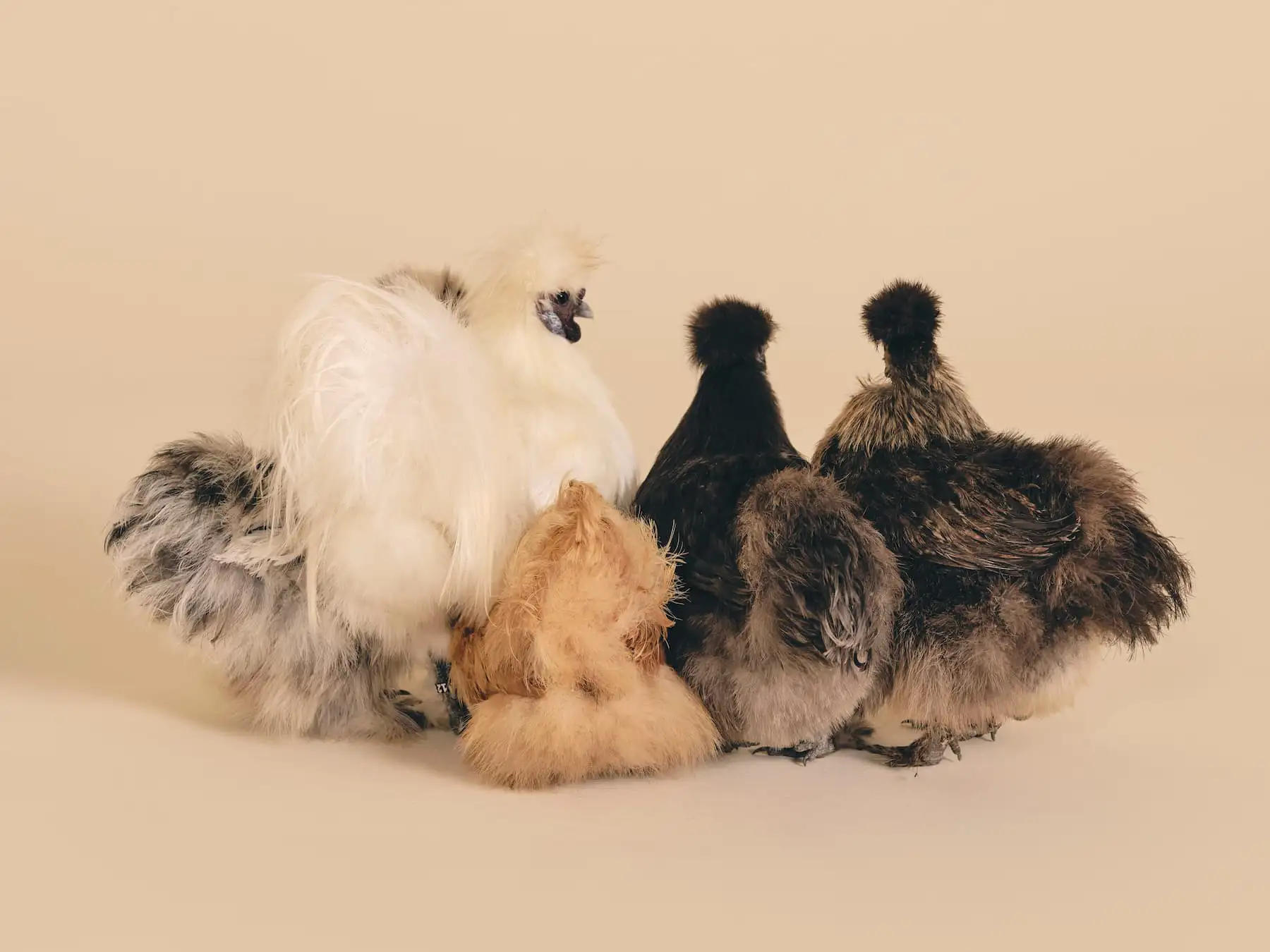
With such a wide variety of fascinating chicken breeds, it’s often hard to make a decision. Nevertheless, you should definitely start with one type or breed from a single breeder or farm. The birds will then already be familiar with one another, which reduces stress in their new home.
> My TIP: “I recommend getting your first chickens from a breeder, a farm or somewhere similar. This is because hatching them in an incubator is quite demanding, and the first few weeks after hatching require more experience than you might think.”
The legal framework
Unless you live alone on a greenfield site, you will certainly have neighbours. Either way, you should first find out about the legal framework in your area (compulsory registration, compulsory vaccination, maximum number of chickens allowed, etc.). You should know what is allowed and what is not, so that you can defend your point of view if the worst comes to the worst.
> My TIP: “By far the best approach is to discuss the issue of keeping chickens with your neighbours in advance and prepare them for it. That way, you can perhaps dispel any possible concerns in advance.”
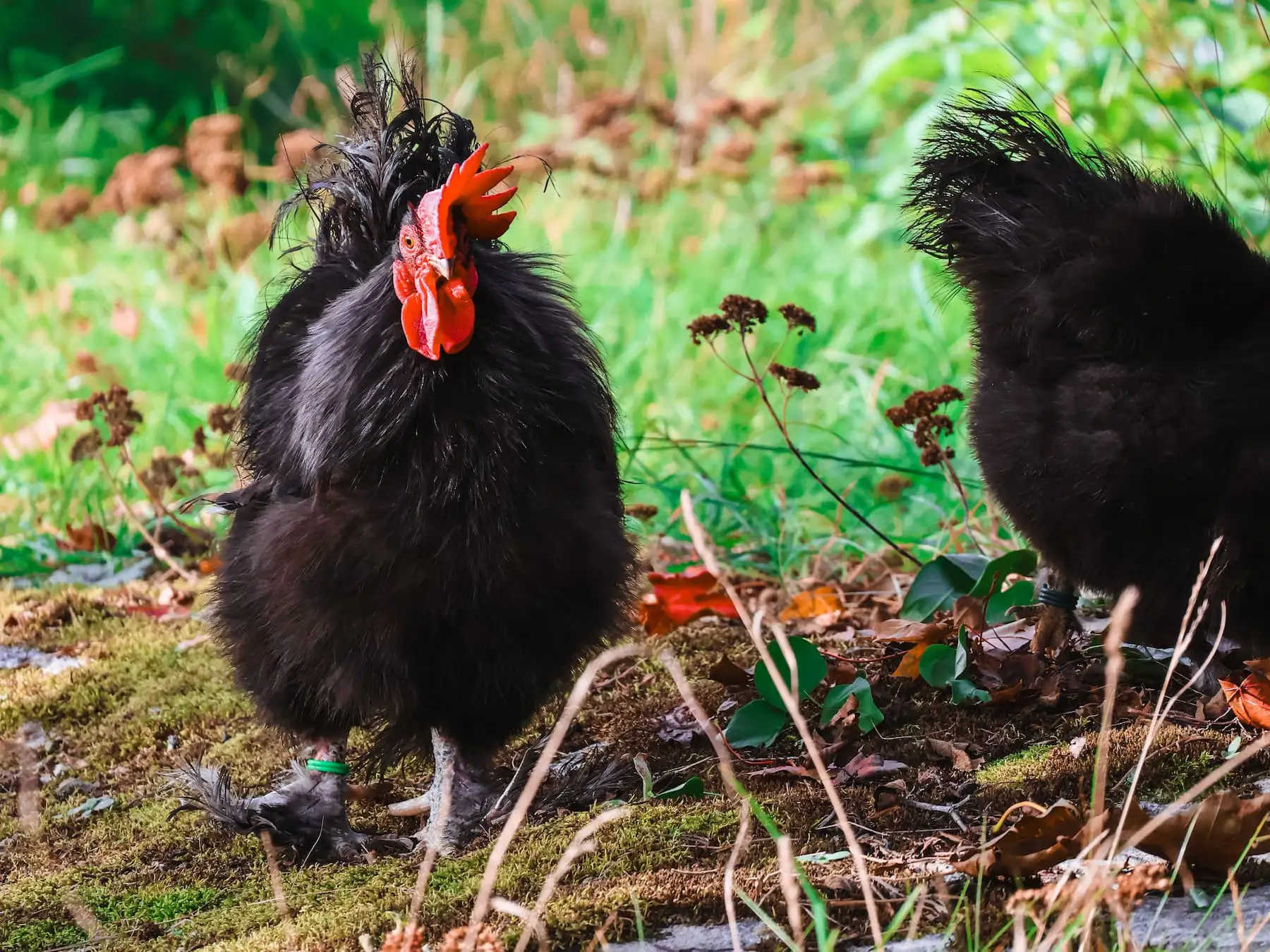
I can reassure you, however, that keeping only hens rarely leads to problems with noise for the neighbours. With a rooster, the situation is undoubtedly different.
In my opinion, the whole thing of odours reaching the neighbours will never be an issue if you have set things up correctly. That means above all:
sufficient space for the chickens in the coop and run
consistent cleaning of the coop and – less frequently – sweeping of the run.
Conclusion:
You can’t really go wrong with keeping chickens, as long as you have asked yourself the right questions beforehand. I think that above all the group of chickens has to suit you and your living environment. It is better to start with fewer and smaller chickens and then expand later.